Elevate Health.Increase Outcomes.
Advanced hyperbaric technology engineered for clinical performance and elite home recovery. Precision pressure, pure results.
500,000+ hours · Zero adverse reactions
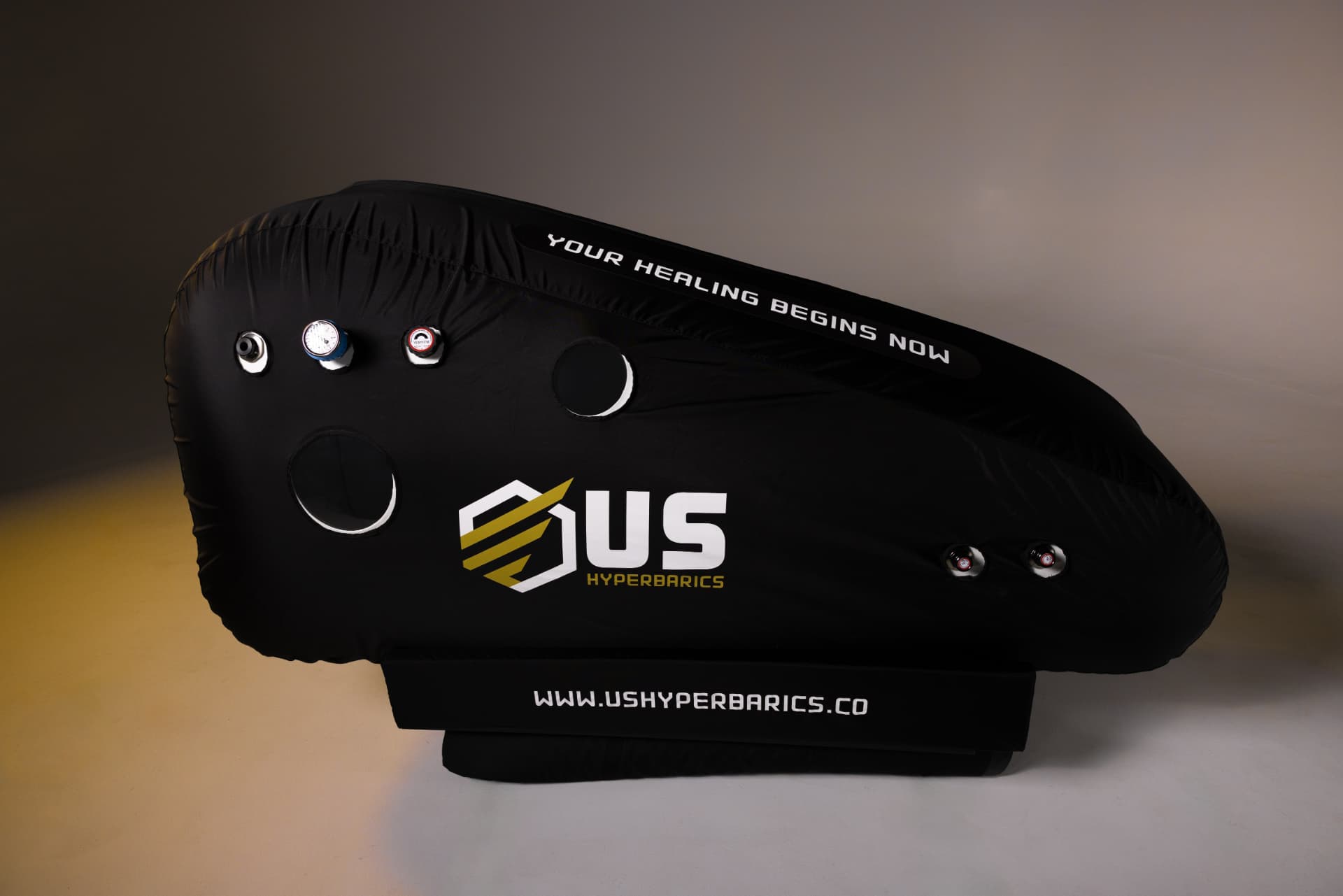
The Physics of Recovery
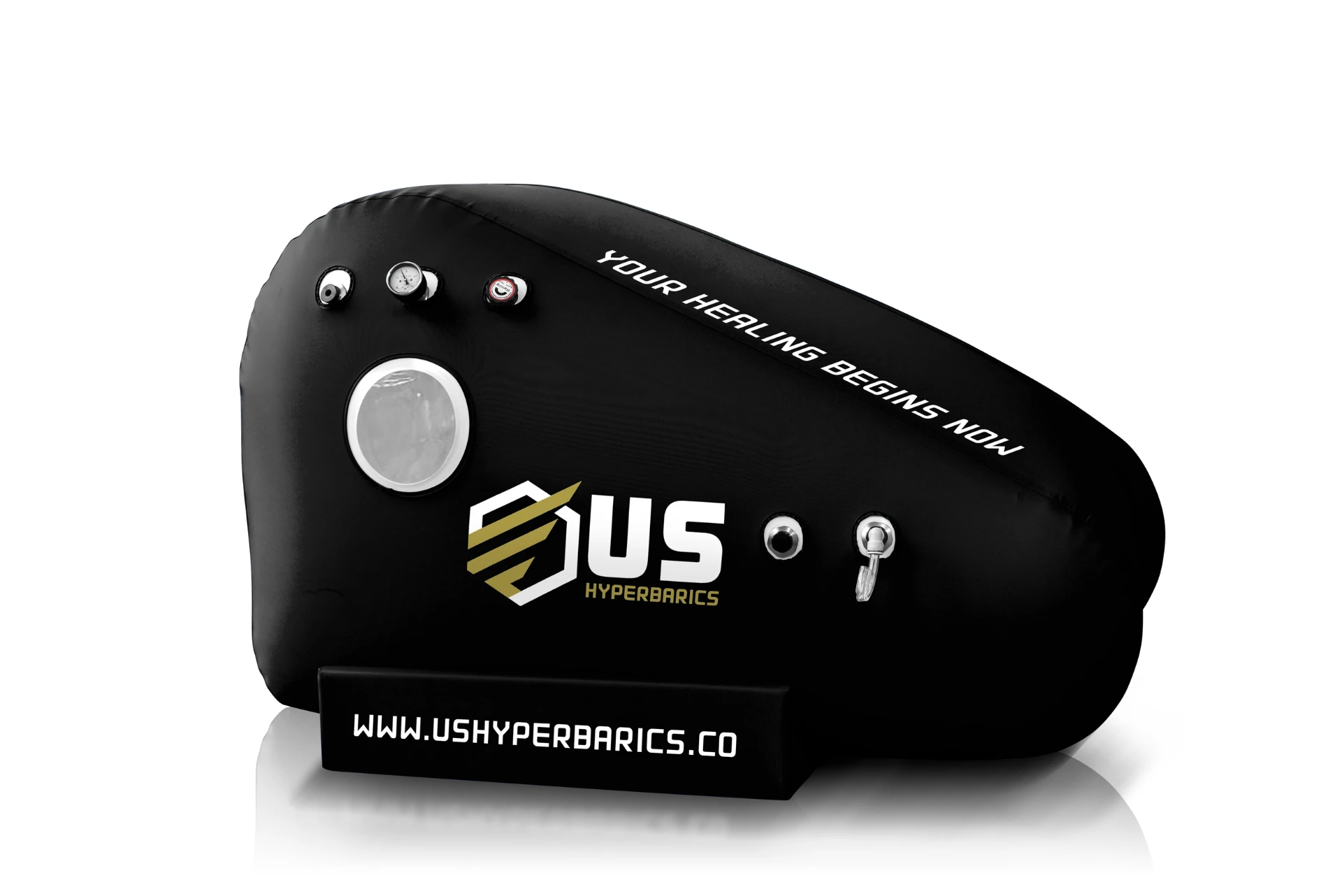
"By increasing the pressure, we dissolve oxygen directly into the blood plasma, delivering life-sustaining energy to tissues that need it most."
Lower pressure is not a compromise. It is the better dose.
High-pressure protocols (2.0–3.0 ATA) were designed for acute emergencies. For chronic inflammation, the molecular evidence points the other way: the biological response to hyperbaric oxygen is non-linear, and 1.3–1.5 ATA sits inside the therapeutic window.
Inside the therapeutic window
Enough hyperoxia to activate HIF-1α, Nrf2 and VEGF-driven angiogenesis, with only a mild, transient rise in reactive oxygen species that trains the body's own antioxidant defenses.
Past the point of benefit
ROS production climbs steeply and can exceed cellular antioxidant capacity, producing oxidative damage, pro-inflammatory rebound and a sinusoidal, stop-start recovery pattern.
Never a placebo
Even 1.3 ATA raises plasma oxygen roughly 43% above baseline. Trials that treated low pressure as a 'sham' were in fact comparing one active dose against another.
Across 92 inflammatory genes, 1.5 ATA produced a stronger anti-inflammatory profile than 2.4 ATA.
At the higher pressure the response was mixed — several genes shifted pro-inflammatory. The assumption that more pressure means more benefit is not supported by the molecular data.
- n=11
- CIRS patients tracked in-clinic with falling TGF-β1, MMP-9 and C4a
- 40 hrs
- Standard first course — reached in ~3.5 months at 3–5 sessions/week
- 80+
- Sessions for a wheelchair-bound patient now playing competitive soccer
- 20,000
- Overseen mild hyperbaric clinical hours behind the protocol
Over 500,000 hours of mild hyperbaric sessions — clinical and in-home — with zero adverse reactions. That record is a direct consequence of operating at 1.3 ATA instead of chasing pressure.
- Barotrauma riskMinimal — gentle compression profile
- Oxygen toxicityNegligible at 1.3–1.5 ATA
- Pulmonary toxicityNot a practical concern
- ContraindicationsVery few vs. high-pressure protocols
Absolute contraindication: pregnancy. Always operate per training and screen patients before a first session.
Request the Safety & Research BriefClinical Integration
- — Multi-patient workflows
- — Certified training programs
- — Revenue generation models
- — Full technical support
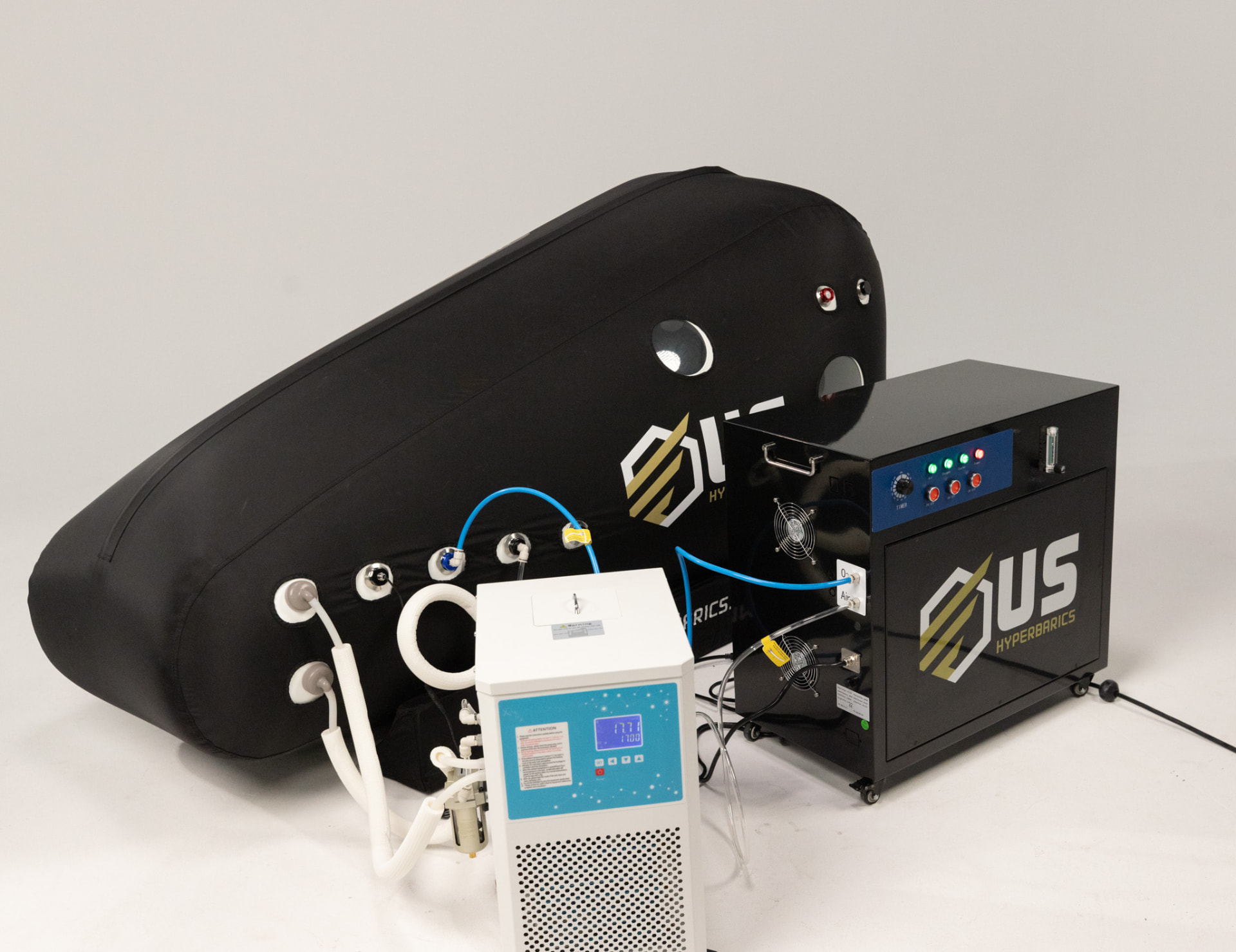 Request Specs
Home Sanctuary
- — Professional recovery at home
- — Safe to use daily, 60–90 minutes
- — Quiet operation technology
- — Electronics welcome inside
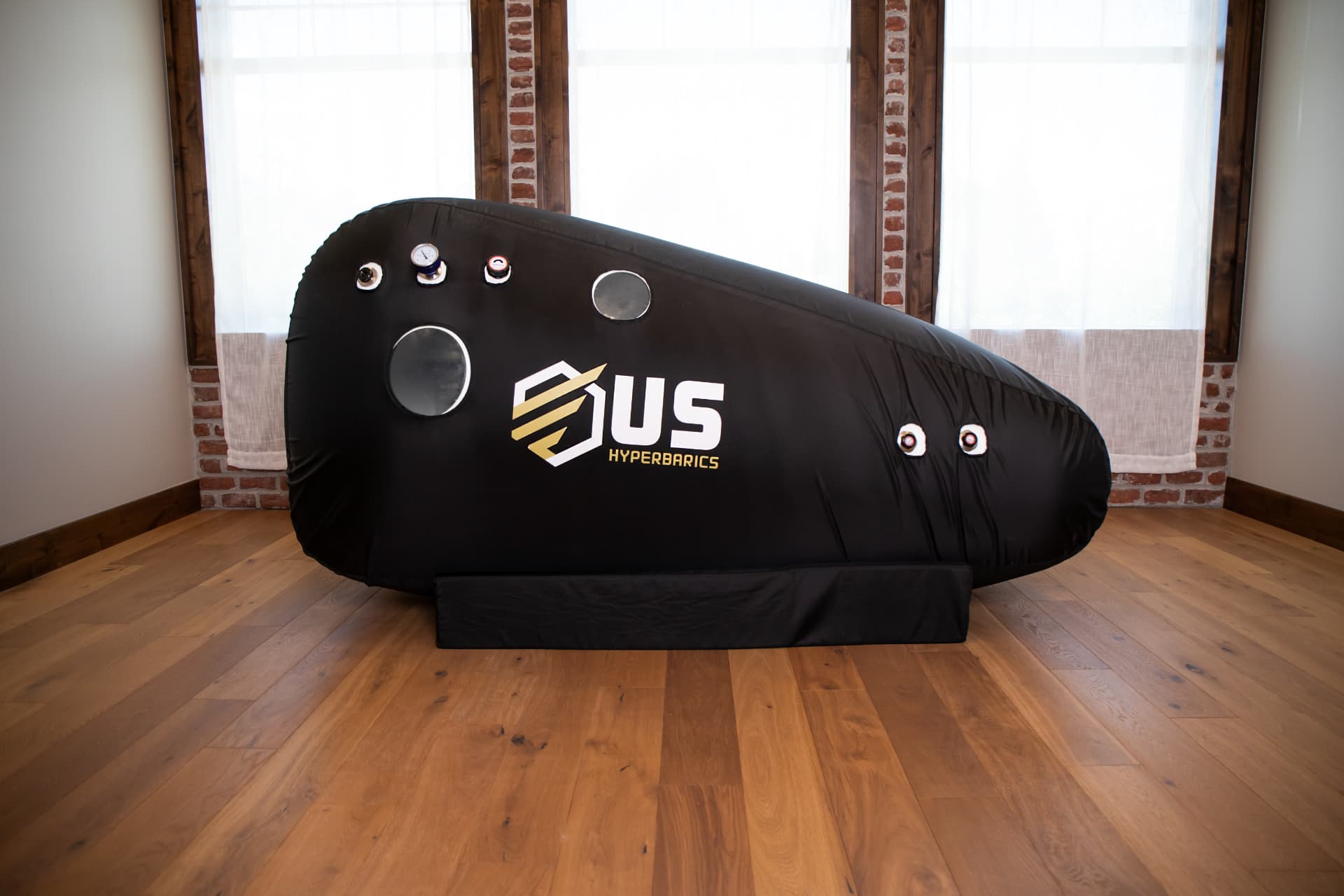 Order Your System
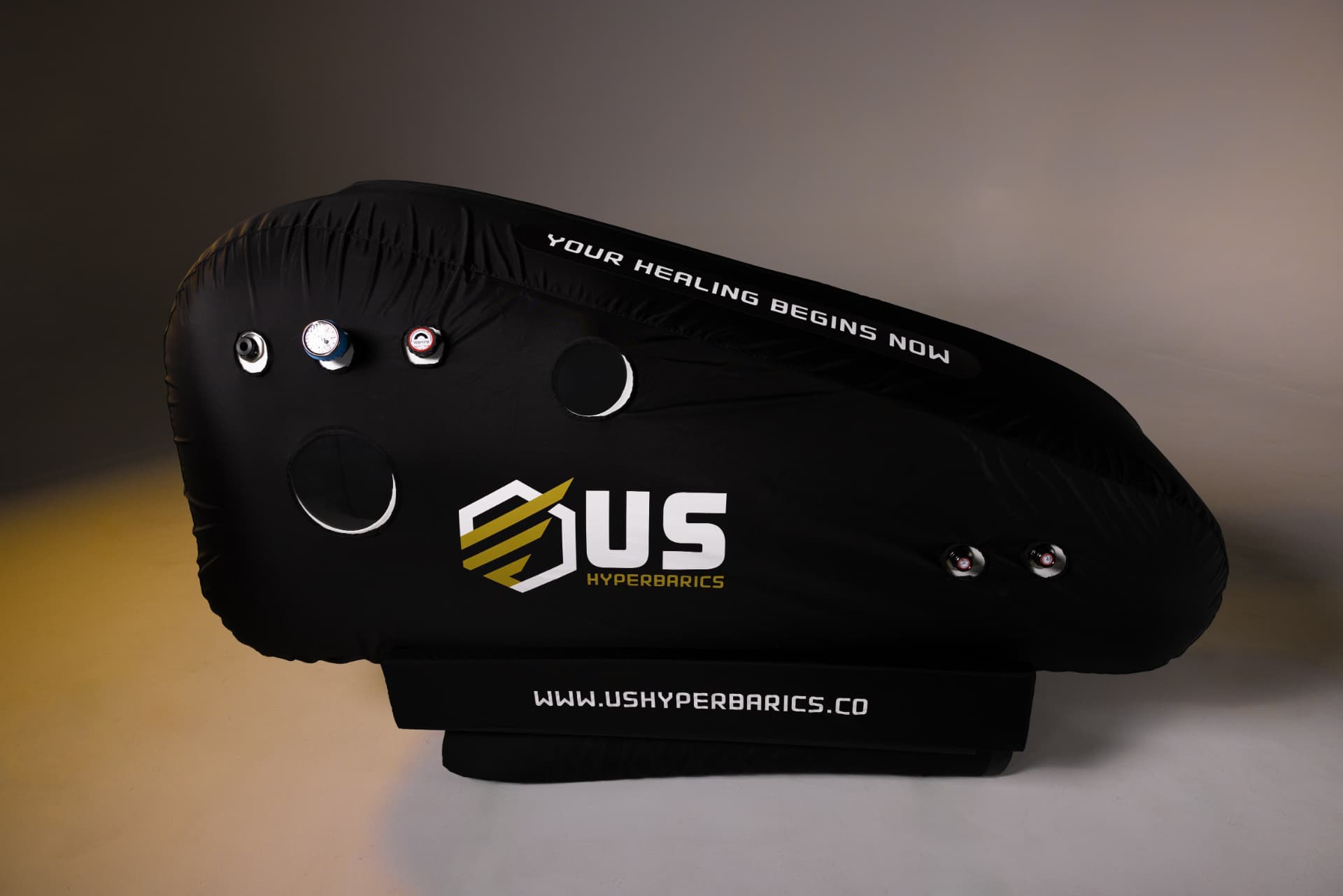
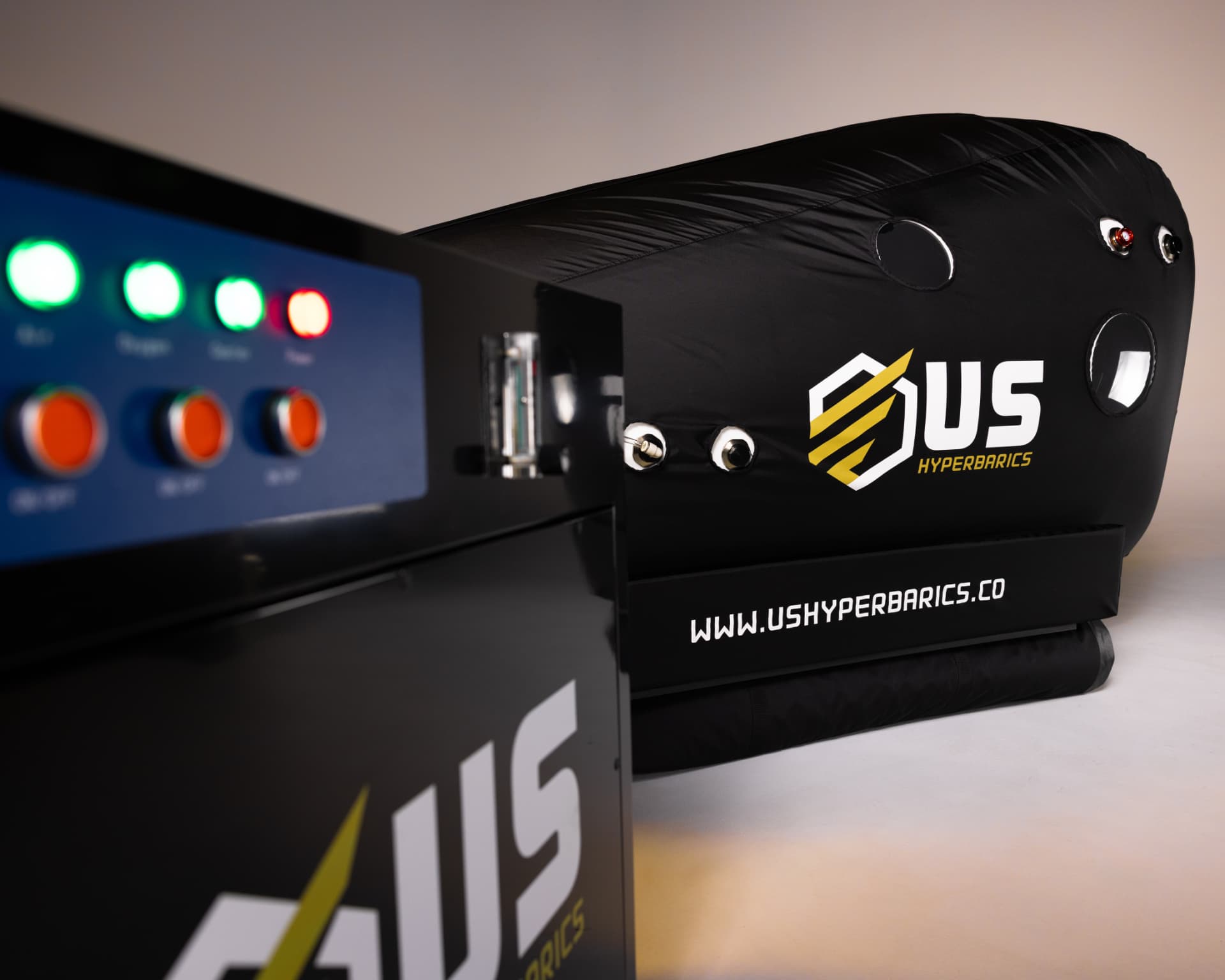
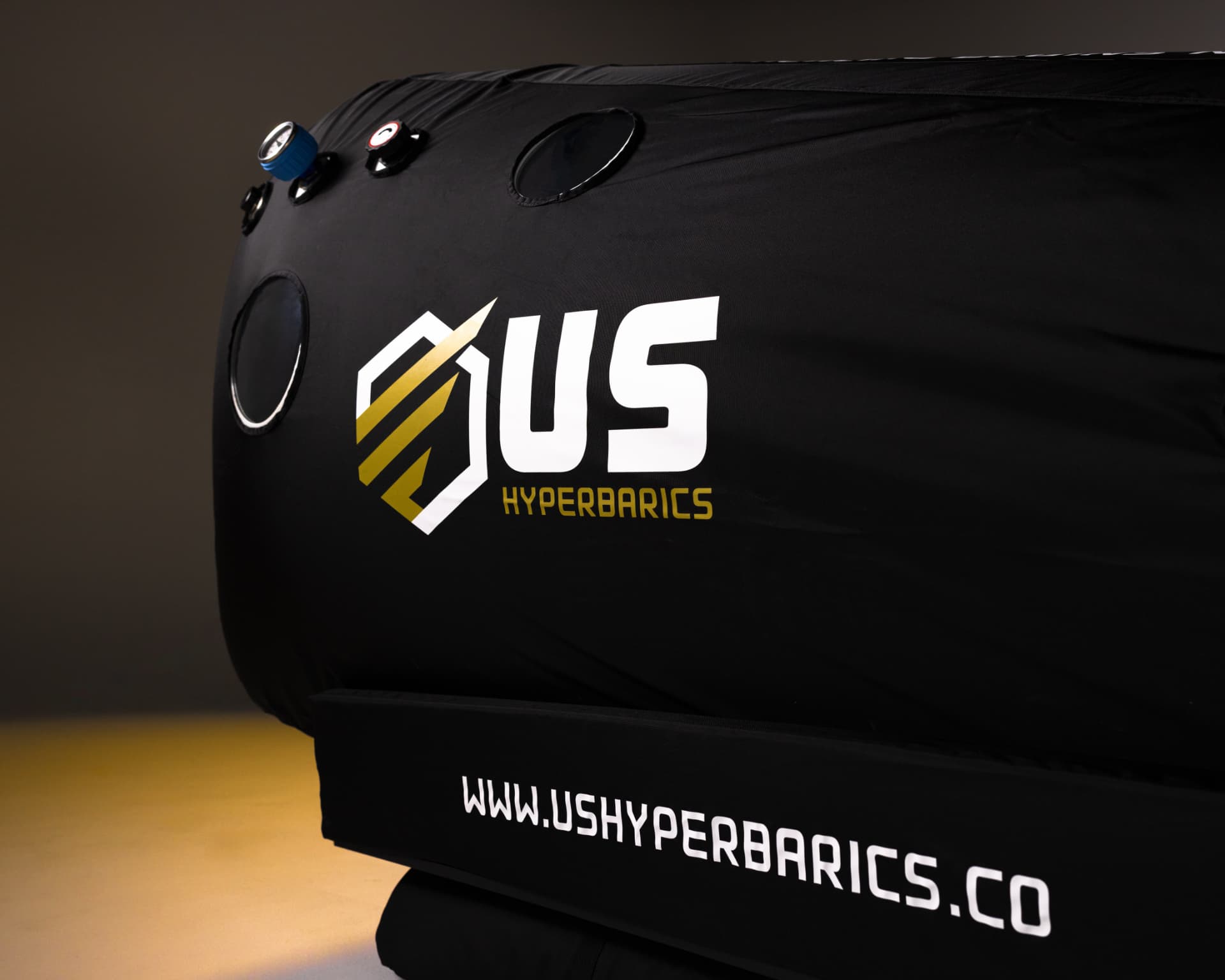
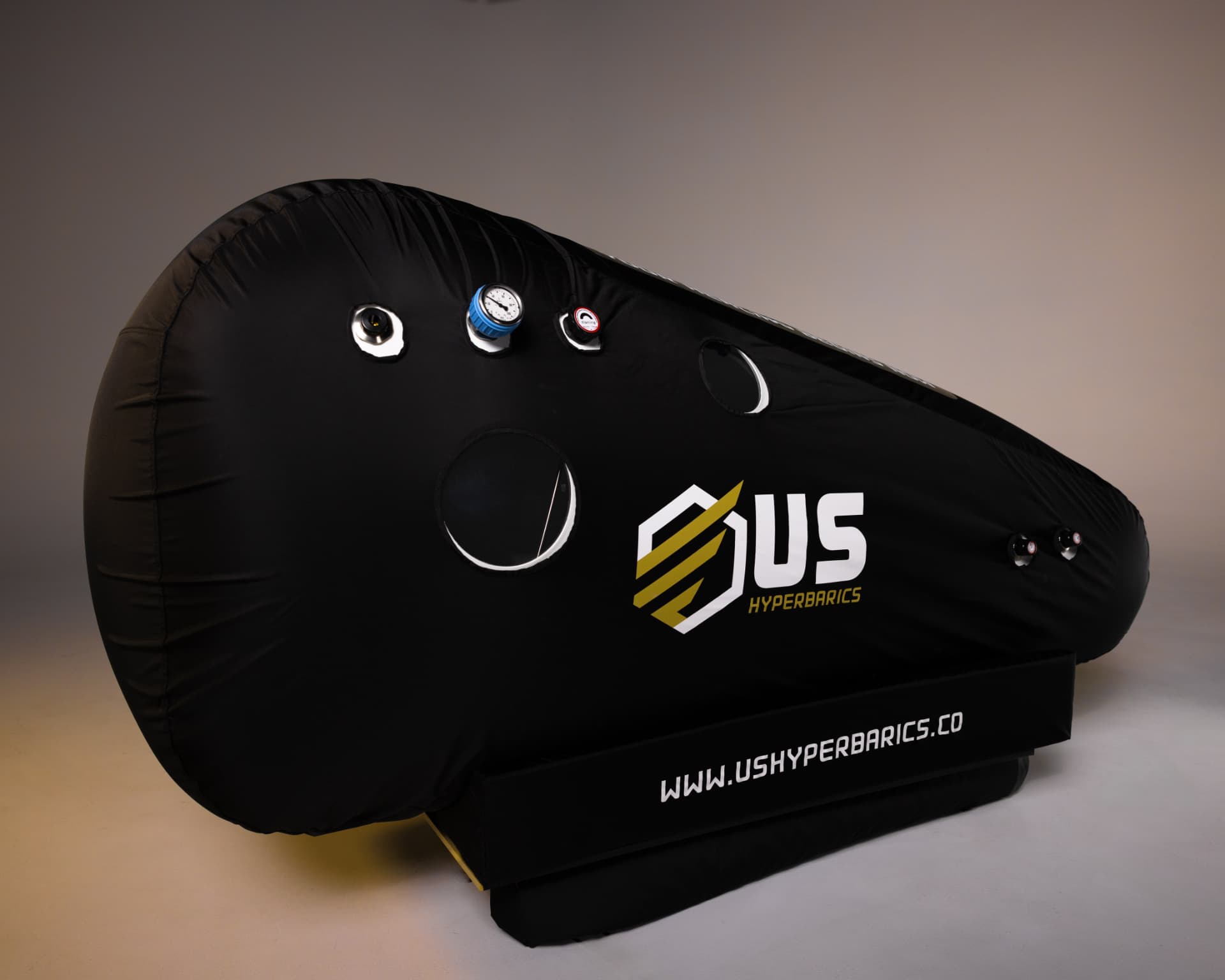
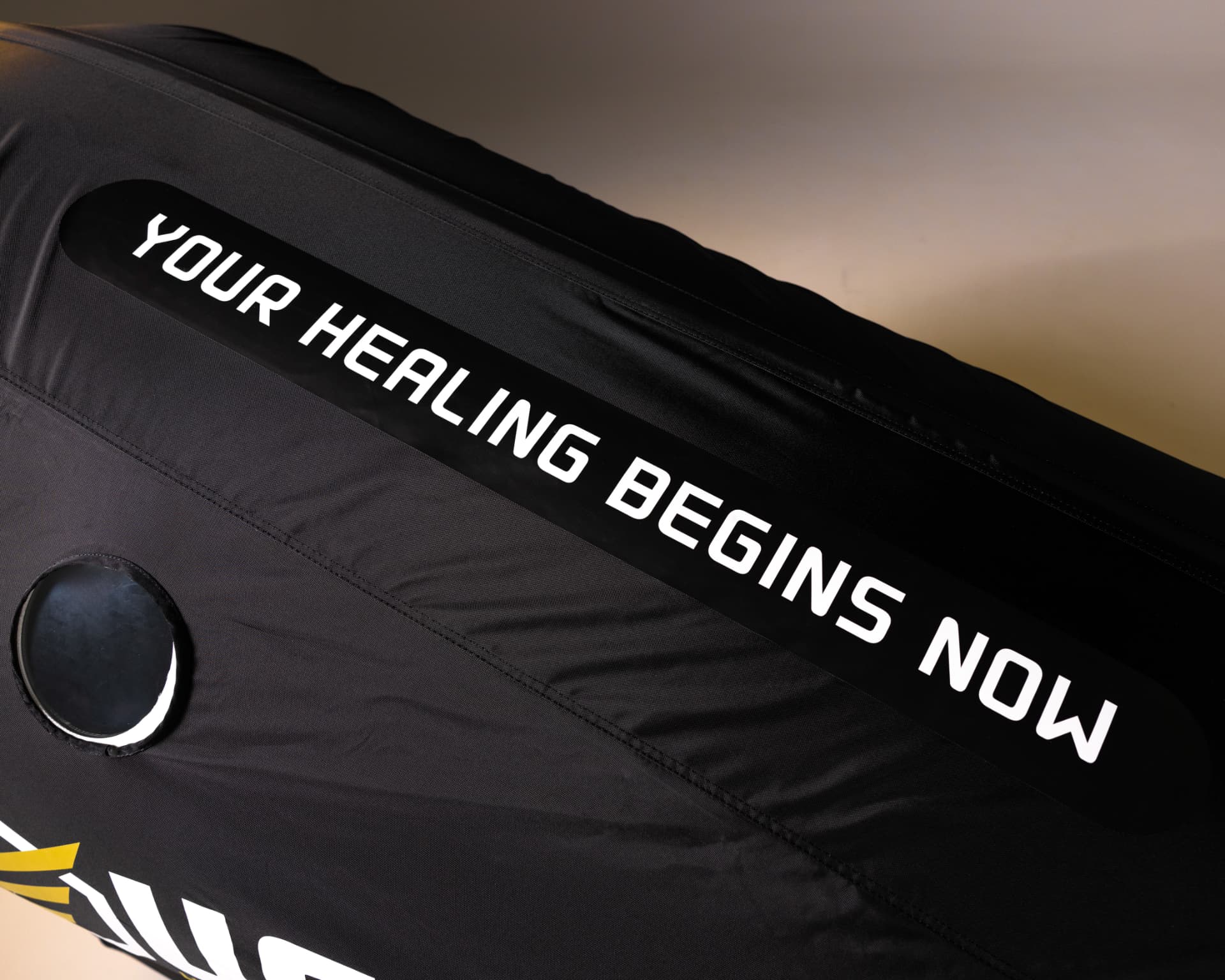
Built for daily use. Engineered for outcomes.
Read the evidence before you commit.
Compendium of Research
The peer-reviewed evidence base behind mild hyperbaric oxygen therapy — mechanisms, outcomes, and the pressure-response data that favors 1.3–1.5 ATA.
- — Molecular and clinical study summaries
- — Comparative pressure and safety data
- — Citations you can hand to a referring provider
The HBOT eBook
A plain-language guide to how mild hyperbaric therapy works, what a session feels like, and how to build a protocol at home with confidence.
- — How pressure and oxygen work together
- — Session frequency and expected timelines
- — Safety, screening, and setup basics